
The short answer for the Hamilton area in 2026: a cold-climate heat pump costs about the same to run as a 96 percent gas furnace in mild weather, less in the shoulder seasons when it barely works, and more in a deep freeze. That is why the answer for most homes is not one or the other but both, a hybrid system that runs the heat pump until the outdoor temperature drops past the point where gas is cheaper, then hands over to the furnace. Here is the reasoning, with the questions homeowners ask us most.
How the two make heat
A gas furnace burns natural gas or propane and pushes the heat through the ducts. It makes heat from fuel; a 96 percent furnace turns 96 cents of every dollar of gas into heat in the house. It heats only. For summer you need a separate air conditioner.
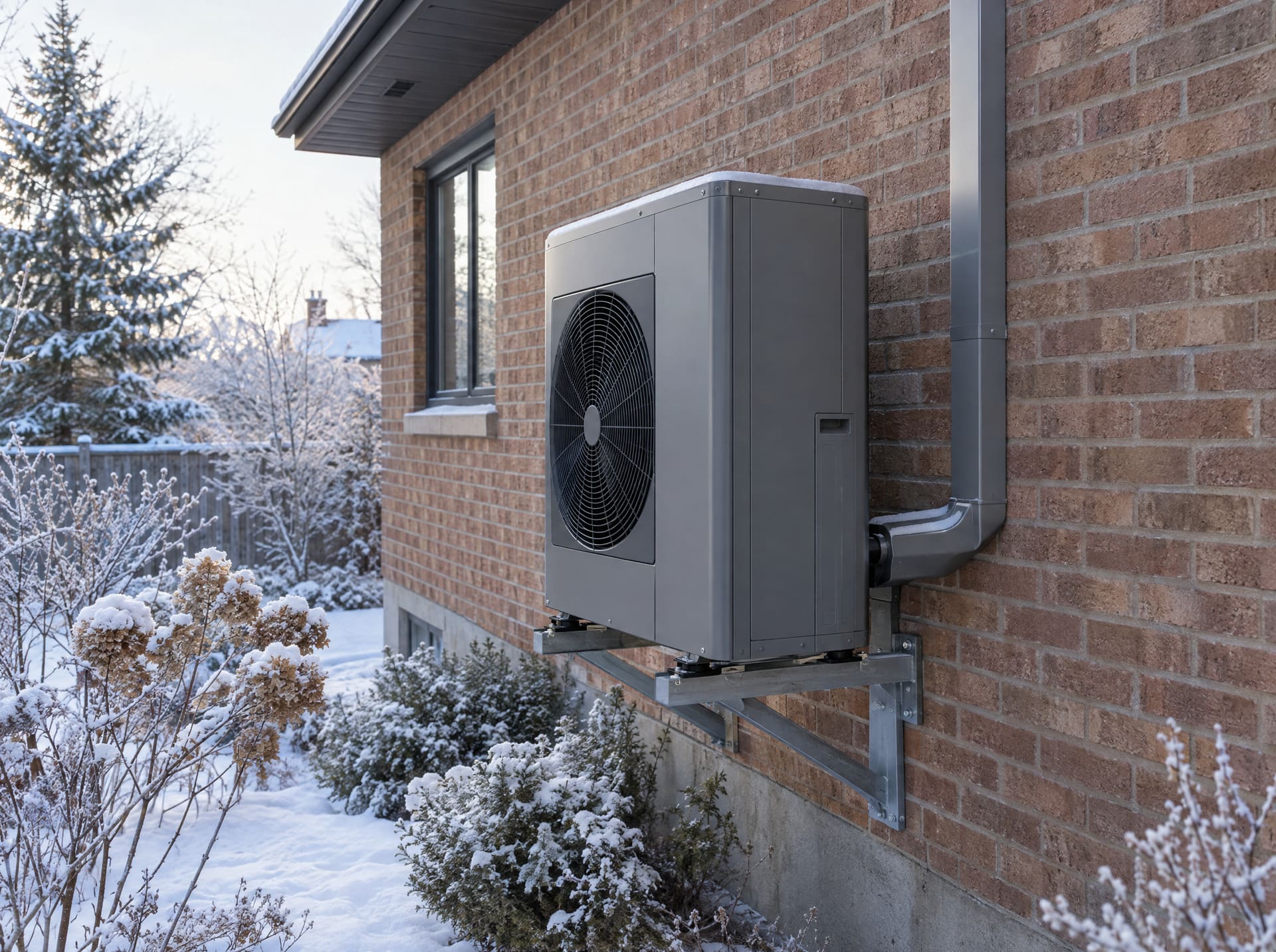
A heat pump does not make heat. It moves it: in winter it pulls heat out of the outdoor air, even air well below freezing, and carries it inside through a refrigerant loop; in summer it runs backwards and is the air conditioner. Because it moves heat rather than making it, it delivers two to four units of heat for every unit of electricity it uses. That ratio falls as the outdoor temperature falls, which is the whole story of heat pumps in Ontario.
Is it better to use a heat pump instead of a furnace?
It depends on the temperature outside and the price of the two fuels. At plus 5 a cold-climate heat pump returns three or more units of heat per unit of electricity and is cheaper to run than gas. At minus 10 it is roughly even. At minus 20 the heat pump is still heating but its efficiency has dropped and the furnace is the cheaper source. Hamilton spends most of its heating season between plus 5 and minus 10, so a heat pump is cheaper or even for most of the hours, and more expensive for a few dozen hours a year.
A hybrid takes the cheaper fuel at every temperature. The switch-over point is set at installation from current rates and can be moved from the thermostat when the rates change.
Why is my bill so high with a heat pump?
The usual causes, in order: the heat pump is not a cold-climate model and is running on its electric backup strips in cold weather, which cost three times as much per unit of heat; the thermostat is set back at night and the recovery in the morning is being done by the backup strips; the system was oversized or undersized; or the outdoor coil is iced because the defrost cycle is faulty. A heat pump should be left at a steady temperature rather than set back, and if a bill is out of line, a service visit that checks the backup heat operation and the defrost cycle usually finds the reason.
Is it okay for a heat pump to run all night in winter?
Yes. That is how it is designed to work. A heat pump delivers long, low, steady heat rather than the short hot bursts of a furnace, and on a cold night it will run for hours at a time or continuously. Running is not the problem; running on backup strips is, and a cold-climate unit sized for the house rarely needs them above minus 15.
What is the major disadvantage of a heat pump?
Three honest ones. The purchase price is higher than a furnace alone. The air from the registers is warm rather than hot, which some people dislike at first. And in a real cold snap a heat pump on its own costs more to run than gas and may need backup heat, which is the case for the hybrid. The disadvantages people fear, that it does not work below freezing and that it needs constant repair, belong to the units of twenty years ago rather than to a current cold-climate model.
Lifespan and maintenance
A gas furnace lasts 15 to 20 years with annual service. A heat pump lasts 12 to 15, a little less because it runs all year, heating and cooling; the air conditioner it replaces would have had the same life. Both want a yearly service; a hybrid gets the two done in one visit.
Is a heat pump worth it in Ontario?
For most Hamilton-area homes with a gas furnace, as a hybrid, yes: lower bills for most of the season, air conditioning from the same outdoor unit, and the rebate money, which is aimed at heat pumps rather than furnaces. For a home on propane or oil, a heat pump is worth it on its own numbers. For a home with a new furnace and a working air conditioner, the right time is when the air conditioner fails: replace it with a heat pump and the furnace becomes a hybrid for the cost of the controls.
What a heat pump costs to buy, by type and size, is in what a heat pump costs in Ontario; what the programs will pay is in the rebates guide. For both sets of numbers for your house, ask for a heat pump quote and we will size it from a heat-loss calculation rather than a guess.
Written by the 365 Heat technical team as general information for homeowners and is not meant to serve as a diagnosis of your system. Call for advice on your own particular heating appliances.
Related services
Heat pumps
Heat Pumps & Hybrid Systems
A cold-climate heat pump heats a Hamilton home down to about minus 25 and cools it in July, and paired with your gas furnace as a hybrid system it takes the cheapest fuel on any given day. We install, service and repair ducted and ductless heat pumps across Hamilton, Burlington and the surrounding communities.
Learn more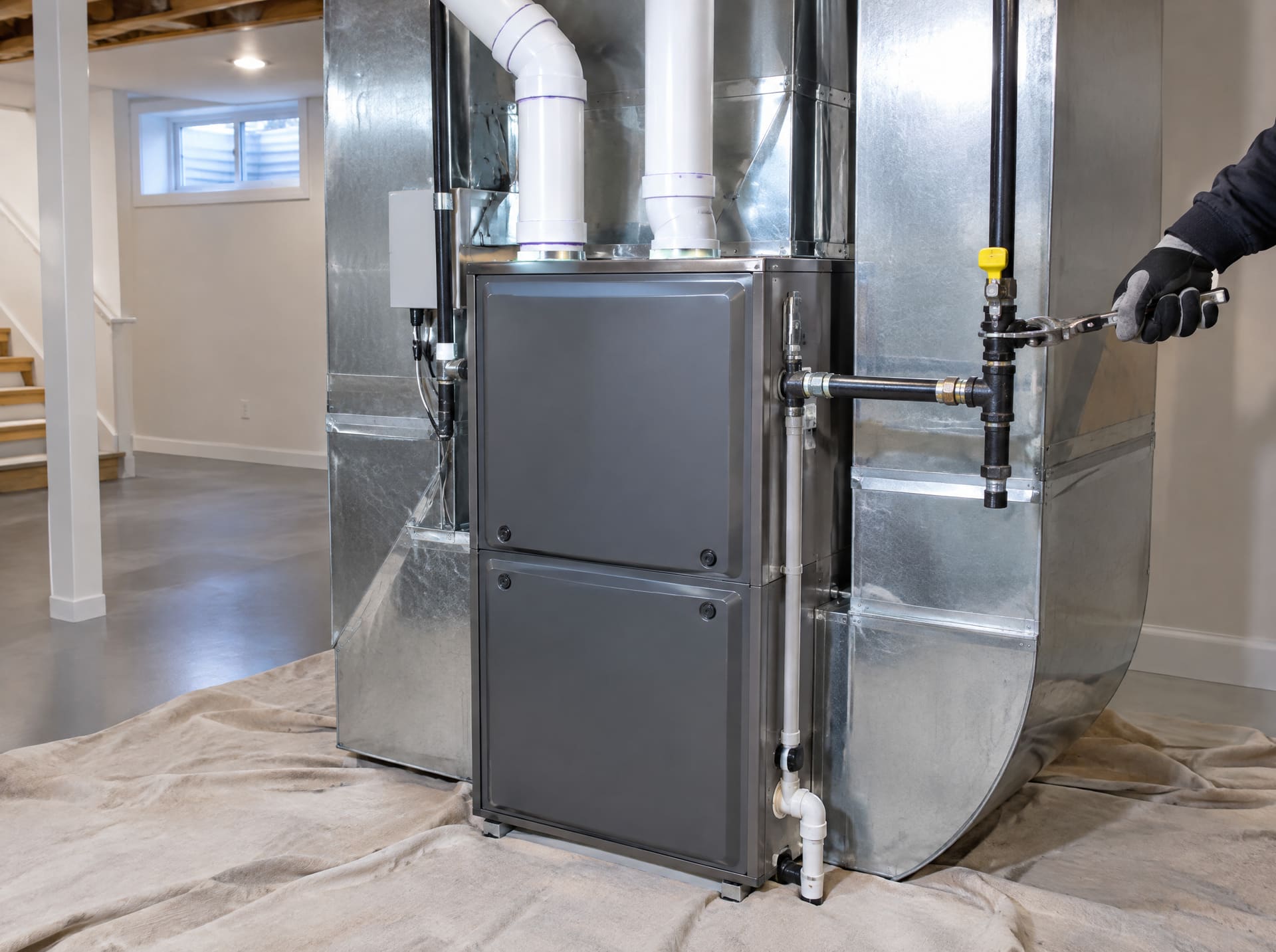
Installation
Furnace Installation & Replacement
Whether your old furnace has given out in January or you are replacing it on your own schedule, we fit a high-efficiency unit that matches the home, the ductwork and the way you live in it. We install across Hamilton, Burlington and the surrounding communities.
Learn more


